Xiaomi 17 is a small(ish) phone with a big(ish) battery — and a big question for US buyers
Xiaomi 17 and 17 Ultra go global with compact power and big batteries. No US launch yet—importing is possible, but carrier support and costs complicate it.
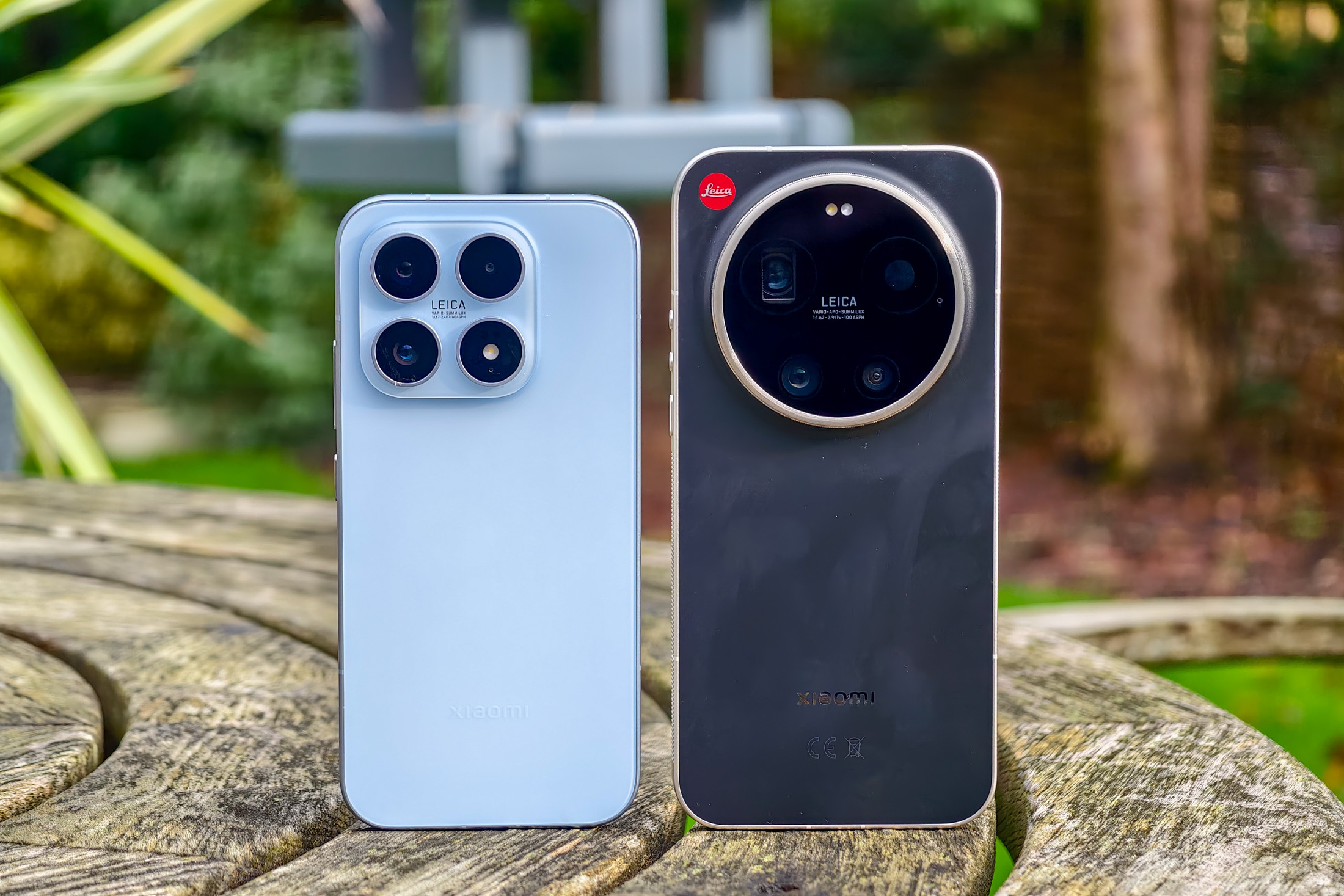
Small phone, big battery, bigger swing: Xiaomi just took the wraps off the Xiaomi 17 and 17 Ultra globally, skipping the 17 Pro and doubling down on Leica branding at the top end. The pitch is simple and appealing — pocketable flagship power that doesn’t wilt by mid-afternoon — but the US story is more complicated. Here’s what matters if you’re eyeing one from stateside, and whether importing makes sense right now.
What actually launched — and what didn’t
Xiaomi gave the 17 and 17 Ultra a global release, plus a limited “Leitzphone” edition of the Ultra with Leica branding. The 17 Pro, which debuted in China with a quirky secondary display near the rear cameras, is absent from the global lineup for now. Xiaomi says the 17 duo will roll out in the UK, Europe, and select other regions soon. Pricing lands at £899/€999 (about $1,200) for the Xiaomi 17 and £1,299/€1,499 (about $1,750) for the 17 Ultra; expect the Leica-stamped Leitzphone to be pricier still [1].
Why it matters: those are premium-tier prices aimed squarely at Apple’s iPhone 17 and Samsung’s Galaxy S26 buyers — with a different value proposition. Instead of chasing ultra-thin designs, the 17 leans into the “compact-but-enduring” formula: a smaller footprint than most Android flagships, with a battery sized for real all‑day use. That’s a welcome correction in a market where many small phones sacrifice longevity.
Why a “small(ish) phone, big(ish) battery” lands in 2026
Pocketable phones have been whittled out of the Android flagship tier. If you prefer a device that disappears into a jeans pocket or a running belt — without surrendering flagship cameras and performance — your short list has mostly been “buy the base iPhone or Galaxy, or go mid-range.” The Xiaomi 17 aims to crack that stalemate by pairing a smaller frame with a larger cell than you typically see in compact models, while the Ultra goes in the opposite direction: maximal cameras and endurance for power users.
The practical win is obvious. A denser battery in a smaller chassis means fewer top-ups, less heat from constant fast charging, and a phone that’s still standing after a long day of navigation, social, and mixed 5G use. If Xiaomi’s tuning can keep standby drain low — historically a pain point for some compact Androids — the 17 could be the rare small flagship that doesn’t force an afternoon battery anxiety routine.
Xiaomi 17 vs. 17 Ultra: who should consider which?
- Choose the Xiaomi 17 if you want one-handed ergonomics, lighter pocket feel, and a battery that aims higher than most “small” phones. It’s built for everyday shooters who still care about speed and endurance more than extreme zoom.
- Choose the 17 Ultra if you care about camera flexibility, large-sensor imaging, and runway battery. Leica co‑engineering remains the hook, and the Ultra’s price reflects that positioning [1].
Either way, you’re buying into Xiaomi’s software skin on Android — which has improved in polish in recent years — and a company comfortable experimenting with hardware features (remember that Pro model’s rear display in China). Just note that only the 17 and 17 Ultra are slated for global shelves right now [1].
The US reality check: carrier support is the catch
Here’s the rub for US shoppers: Xiaomi hasn’t announced US availability for the 17 series. The phones are targeted at Europe and other global markets, and there’s no sign of official stateside sales or carrier partnerships. In practice, that means importing is your only path today — and imported phones often won’t get full network compatibility or certification on AT&T and Verizon, potentially limiting VoLTE or 5G support. Always check BYOD compatibility before you buy; US carriers certify specific models, and an unlocked import may not fully work on their networks [2].
What most people miss: even when a global phone technically supports overlapping 4G/5G bands, the lack of carrier approval can break things you take for granted, like visual voicemail, Wi‑Fi calling, or seamless handoff between 4G and 5G. And while T‑Mobile is typically the friendliest to global devices, you still need to verify the exact model number and band support.
The warranty question also looms. If you import, you’re accepting region-limited service and returns. Factor shipping, VAT/duties, and a possible restocking fee into your all‑in cost. Suddenly, that £899/€999 sticker looks less like $1,200 and more like $1,350–$1,450 by the time it’s in your pocket.
Xiaomi 17 vs iPhone 17 and Galaxy S26: how to decide in practice
If you’re in the US and craving a compact flagship with stamina, here’s a grounded way to compare:
- Network experience: A US-sold iPhone 17 or Galaxy S26 will deliver fully supported 5G, carrier features, and emergency services integration. An imported Xiaomi 17 may drop to LTE in places you expect 5G, and calling features could be inconsistent depending on the carrier [2].
- Battery behavior: Xiaomi’s “big(ish)” cell in a smaller body is the 17’s calling card. Apple and Samsung’s smallest flagships have improved endurance, but historical trade-offs still exist. If raw battery is your priority, the 17 could be compelling — if you can live with the network caveats.
- Cameras: Leica-tuned processing and color science are the Ultra’s edge, but the base 17 likely remains competitive for everyday shooting. Apple and Samsung win on consistency and video apps ecosystem in the US; Xiaomi pushes creative profiles and bokeh character.
- Longevity and updates: US-sold flagships now promise extended OS and security updates. Xiaomi has been stepping up here, but confirmation of specific timelines for the 17 series matters if you plan to keep it 4–6 years. Consider this a pre‑buy checklist item.
- Total cost of ownership: Add import fees, potential case/charger sourcing, and unknown resale value in the US to the Xiaomi 17. With iPhone/Samsung, you get trade-in credits and easy warranty support that reduce effective cost.
If you want the fewest compromises in the US, the iPhone 17 and Galaxy S26 remain safer compact bets. If you’re a power user who values battery life and camera character over carrier polish — and you’re comfortable importing — the Xiaomi 17/17 Ultra proposition is uniquely attractive.
Xiaomi 17: quick answers for US buyers
- Can I buy it officially in the US? Not at launch. Xiaomi announced availability in Europe and select markets; there’s no US release on the books [1].
- Will it work on my carrier? It depends. Check the exact model’s band support and your carrier’s BYOD tool. Expect limited or no support for some carrier features, and potentially reduced 5G coverage, especially on Verizon/AT&T [2].
- Is the Leica “Leitzphone” coming here? It’s a limited Ultra-based variant and will be more expensive, with no US availability announced [1].
- What about the 17 Pro with the rear display? That’s China-only for now; it isn’t part of the global lineup [1].
- Should photographers import the 17 Ultra? If you want Leica‑tuned imaging in a mainstream Android with excellent endurance and you’re fine with the network caveats, yes. If you need bulletproof carrier features and repairs, consider US-sold alternatives.
The bottom line for your shortlist
- The Xiaomi 17 doubles down on a rare promise in 2026: a smaller flagship that still goes the distance on battery.
- The 17 Ultra leans into Leica imaging and all‑day endurance for power users — with a price to match.
- US buyers face two hurdles: no official availability and uncertain carrier support; verify bands and BYOD before importing [1][2].
- If you want no-compromise network features, stick with iPhone 17 or Galaxy S26 domestically; if you crave compact stamina and camera character, the Xiaomi 17 series is the most interesting import this cycle.
Sources & further reading
Primary source: theverge.com/gadgets/886322/xiaomi-17-release-specs-price-mwc-ultra-leica
Written by
Ryan Torres
Tech journalist covering gadgets, software, and the innovations shaping our digital world.